
 HD
HDType a title, an actor or the shorthand everyone uses, and MyFlixer takes you to the page: the story, the year, the seasons with every dated episode, and a Watch now button for your country. Hollywood sits beside Korean dramas, anime, Hindi films and Pinoy movies, and My List keeps your place.
Every title here carries its HD badge. Choose your country once and Watch now shows the services that carry it where you are, each with the picture quality it streams in.
Trending
HD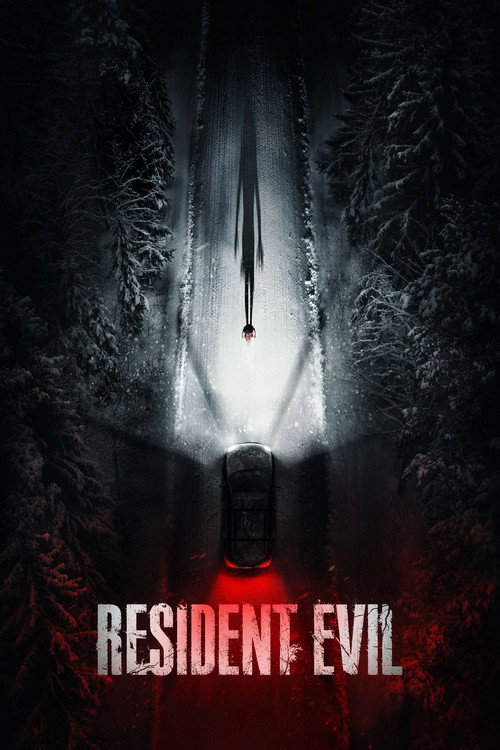 HD
HDResident Evil
2026 95mMovie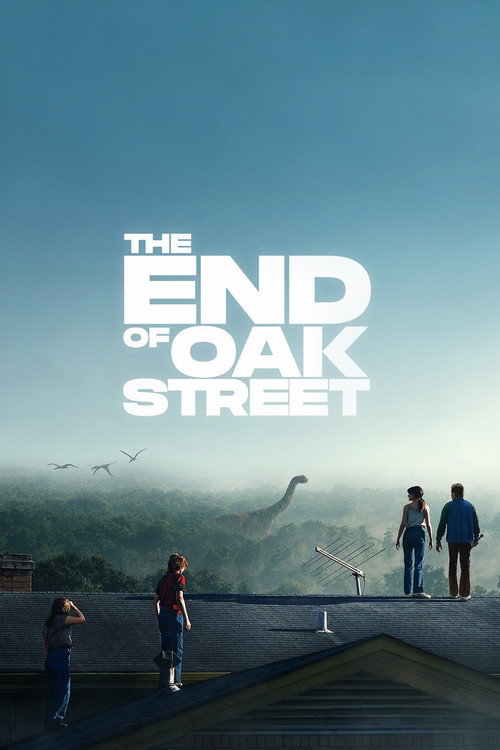 HD
HDThe End of Oak Street
2026 100mMovie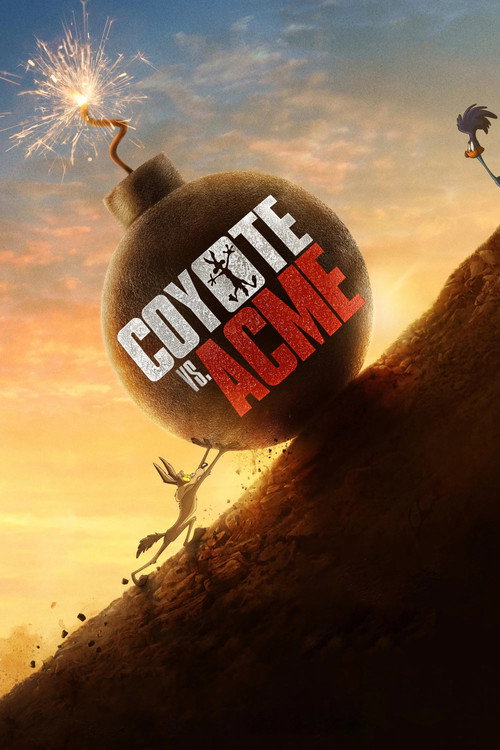 HD
HDCoyote vs. Acme
2026 103mMovie HD
HDThe Odyssey
2026 173mMovie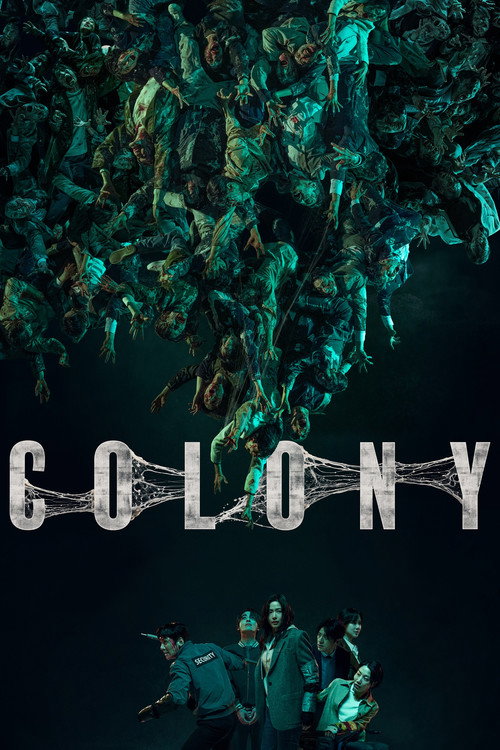 HD
HDColony
2026 123mMovie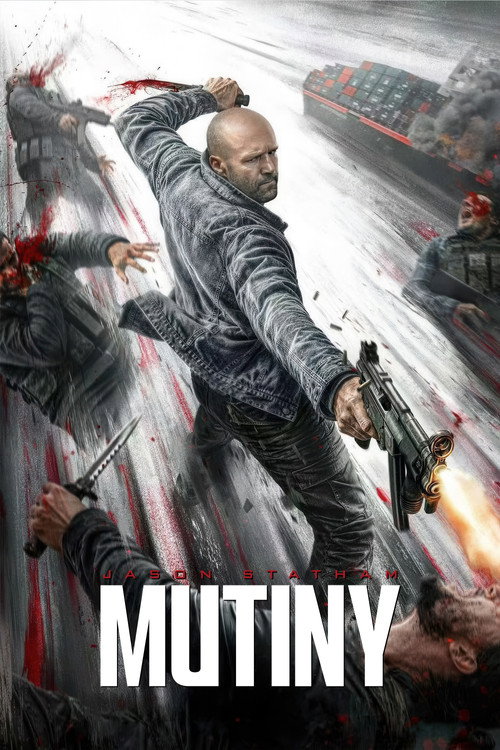 HD
HDMutiny
2026 96mMovie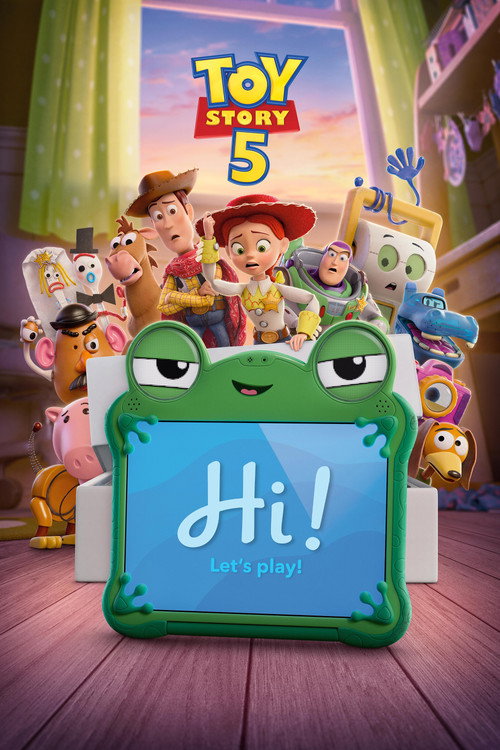 HD
HDToy Story 5
2026 102mMovie HD
HDMoana
2026 115mMovie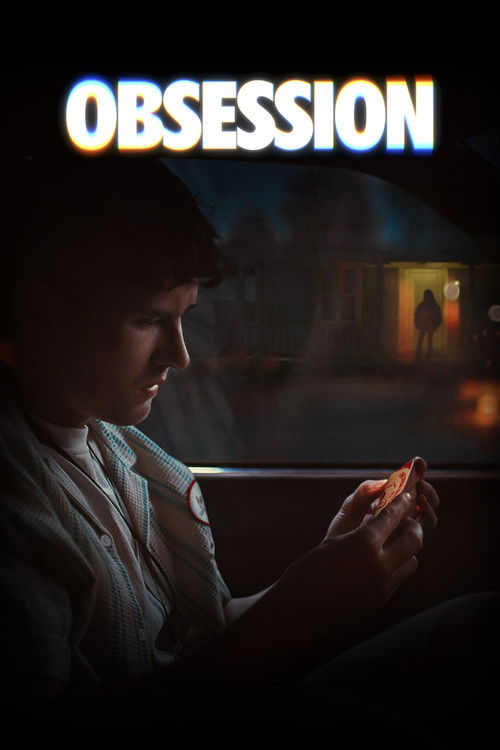 HD
HDObsession
2026 109mMovie HD
HDTeenage Sex and Death at Camp Miasma
2026 112mMovie HD
HDThe Runner
2026 86mMovie HD
HDProject Hail Mary
2026 157mMovie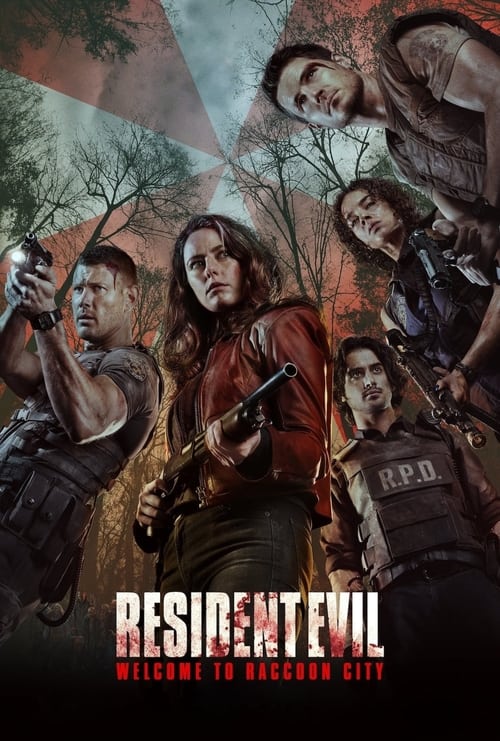 HD
HDResident Evil: Welcome to Raccoon City
2021 107mMovie HD
HDRage of Stars
2026 106mMovie HD
HDAvengers: Endgame
2019 181mMovie HD
HDMinions & Monsters
2026 90mMovie HD
HDBackrooms
2026 111mMovie HD
HDWar of the Worlds
2025 91mMovie HD
HDAvengers: Infinity War
2018 149mMovie HD
HDThe Last Sunrise
2026 107mMovie HD
HDDisclosure Day
2026 146mMovie HD
HDMayday
2026 111mMovie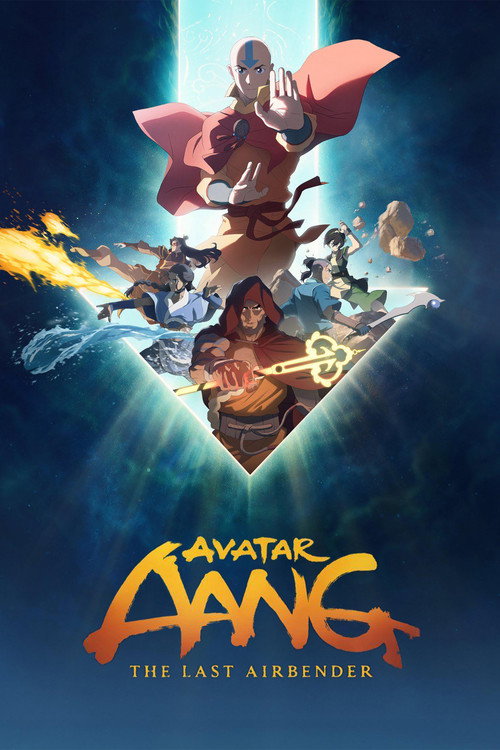 HD
HDAvatar Aang: The Last Airbender
2026 99mMovie HD
HDReacher
SS 4 EPS 8TV HD
HDLioness
SS 3 EPS 8TV HD
HDThe Mentalist
SS 7 EPS 13TV HD
HDNCIS
SS 23 EPS 20TV HD
HDGrey's Anatomy
SS 22 EPS 18TV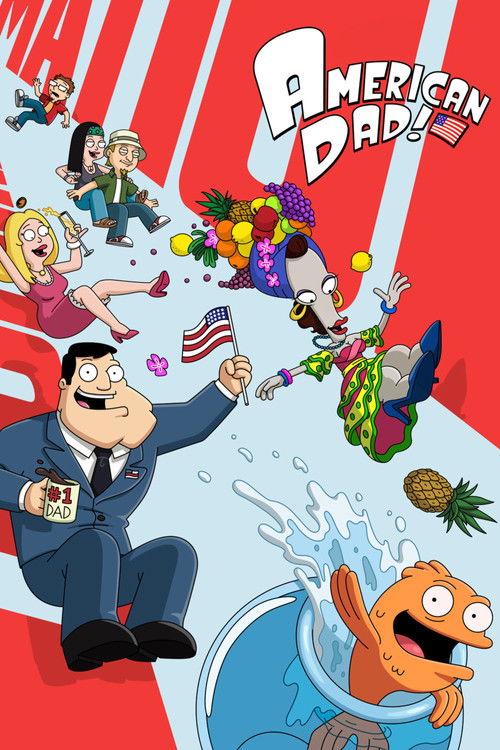 HD
HDAmerican Dad!
SS 22 EPS 13TV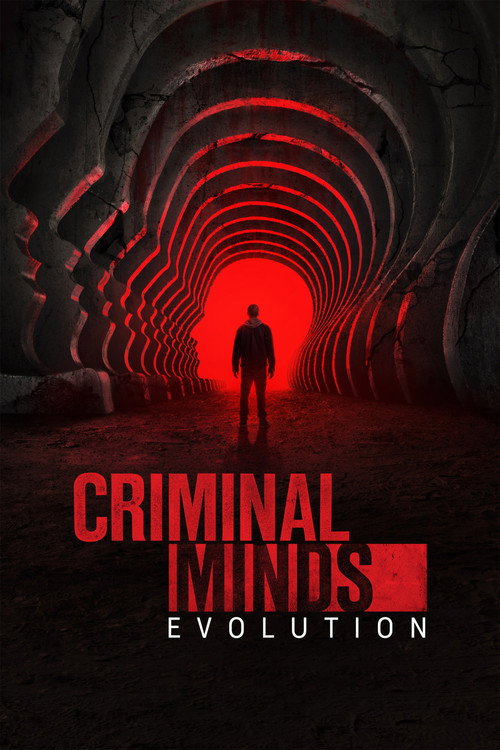 HD
HDCriminal Minds
SS 19 EPS 10TV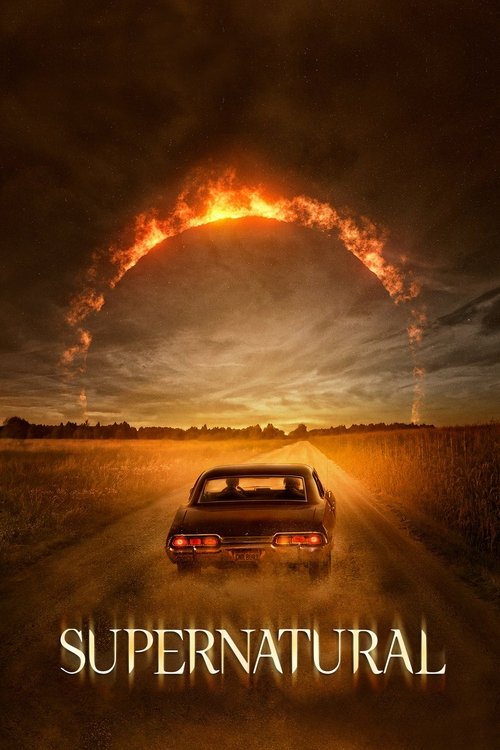 HD
HDSupernatural
SS 15 EPS 20TV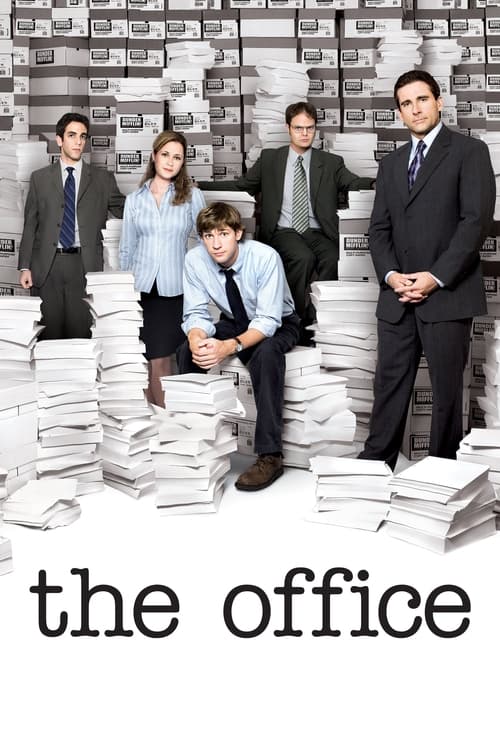 HD
HDThe Office
SS 9 EPS 23TV HD
HDMushoku Tensei: Jobless Reincarnation
SS 3 EPS 13TV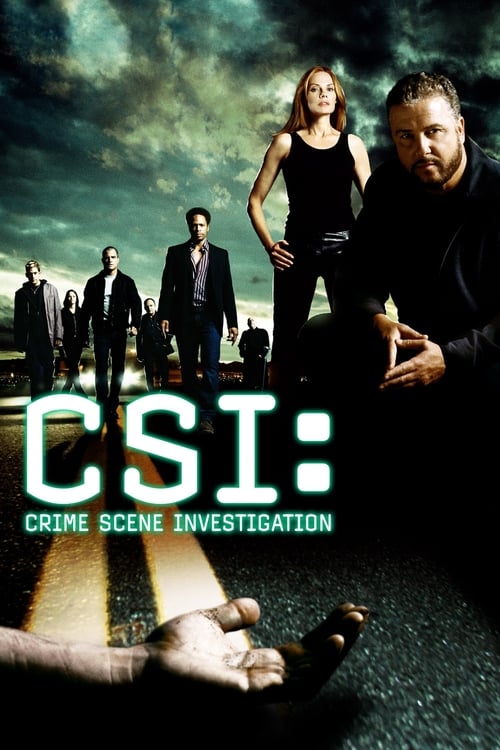 HD
HDCSI: Crime Scene Investigation
SS 15 EPS 18TV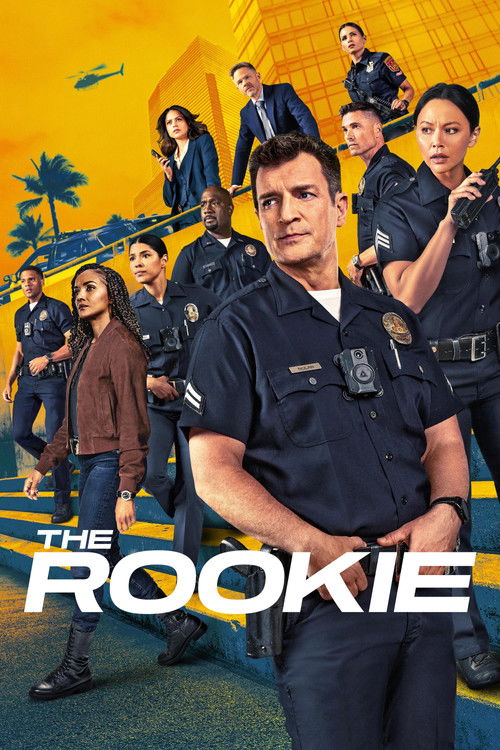 HD
HDThe Rookie
SS 8 EPS 18TV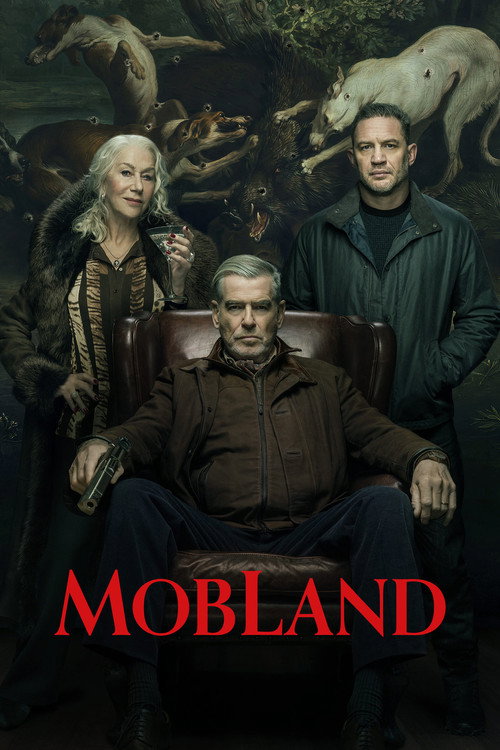 HD
HDMobLand
SS 2 EPS 2TV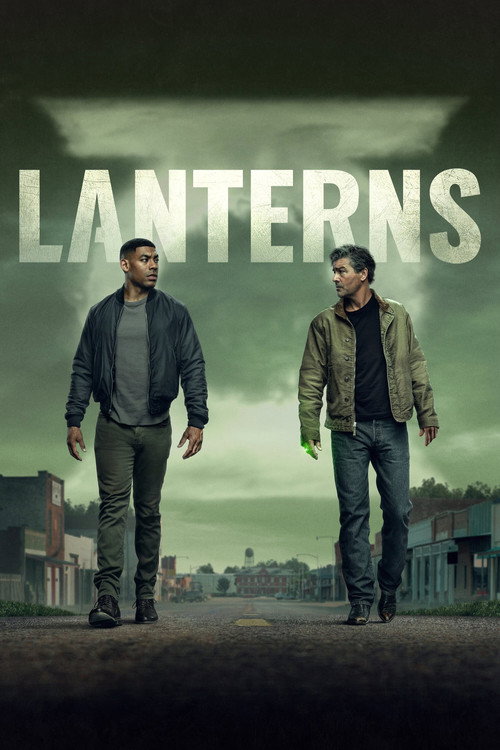 HD
HDLanterns
SS 1 EPS 6TV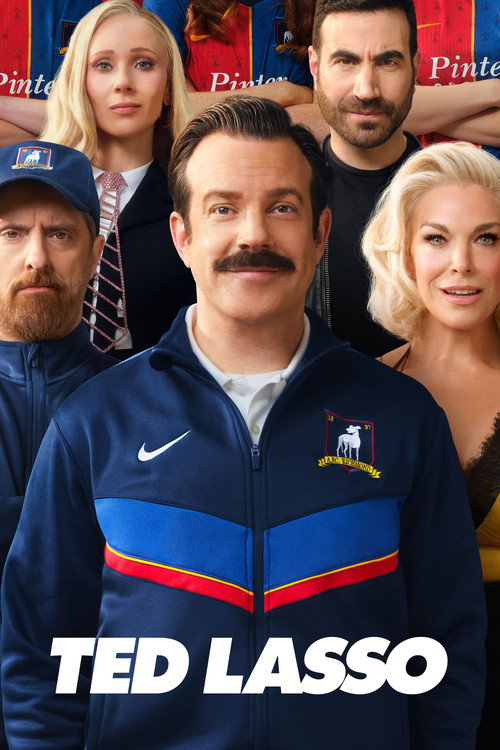 HD
HDTed Lasso
SS 4 EPS 8TV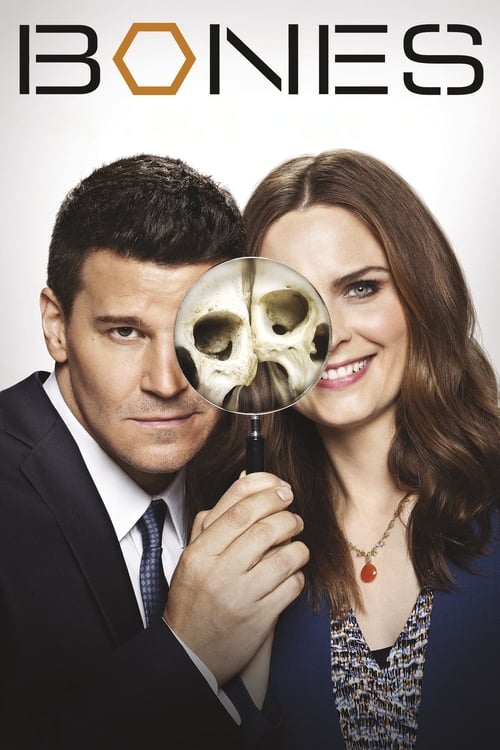 HD
HDBones
SS 12 EPS 12TV HD
HDBreaking Bad
SS 5 EPS 16TV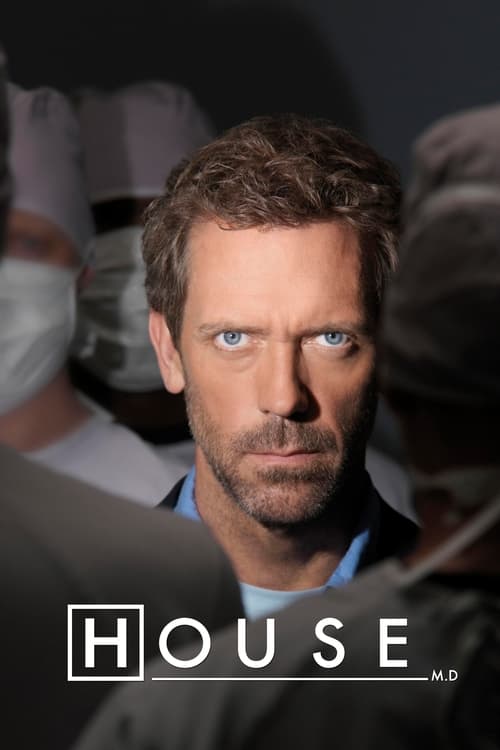 HD
HDHouse
SS 8 EPS 22TV HD
HDGame of Thrones
SS 8 EPS 6TV HD
HDSilo
SS 3 EPS 10TV HD
HDCSI: Miami
SS 10 EPS 19TV HD
HDThe Blacklist
SS 10 EPS 22TV HD
HDHawaii Five-0
SS 10 EPS 22TV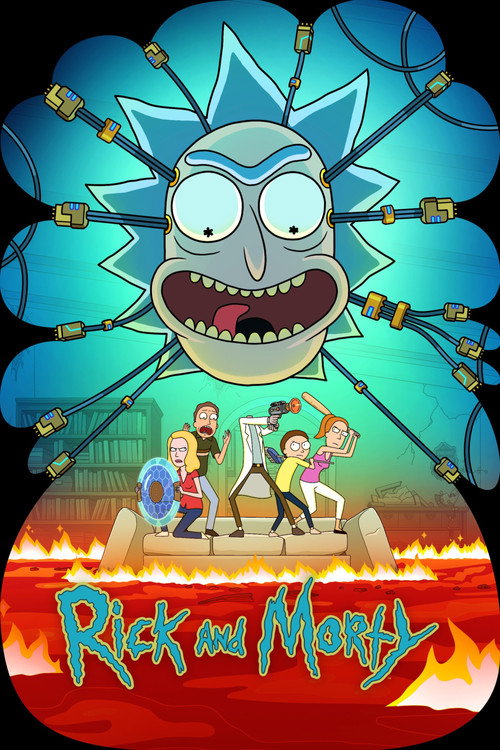 HD
HDRick and Morty
SS 9 EPS 10TVLatest Movies
View more ›HDResident Evil
2026 95mMovieHDThe Runner
2026 86mMovieHDMayday
2026 111mMovie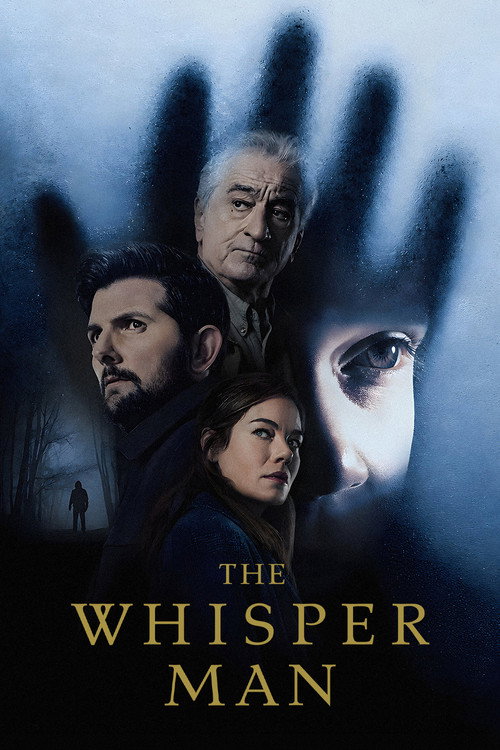 HD
HDThe Whisper Man
2026 111mMovieHDThe Last Sunrise
2026 107mMovie HD
HDThe Dog Stars
2026 119mMovieHDCoyote vs. Acme
2026 103mMovieHDMutiny
2026 96mMovie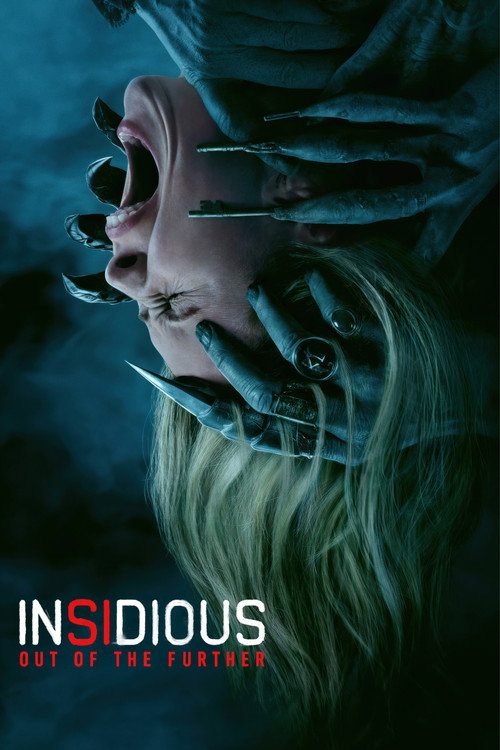 HD
HDInsidious: Out of the Further
2026 106mMovieHDThe End of Oak Street
2026 100mMovieHDRage of Stars
2026 106mMovieHDTeenage Sex and Death at Camp Miasma
2026 112mMovie HD
HDOne Night Only
2026 103mMovieHDSpider-Man: Brand New Day
2026 145mMovieHDAvatar Aang: The Last Airbender
2026 99mMovieHDThe Odyssey
2026 173mMovieLatest TV Shows
View more ›HDMobLand
SS 2 EPS 2TV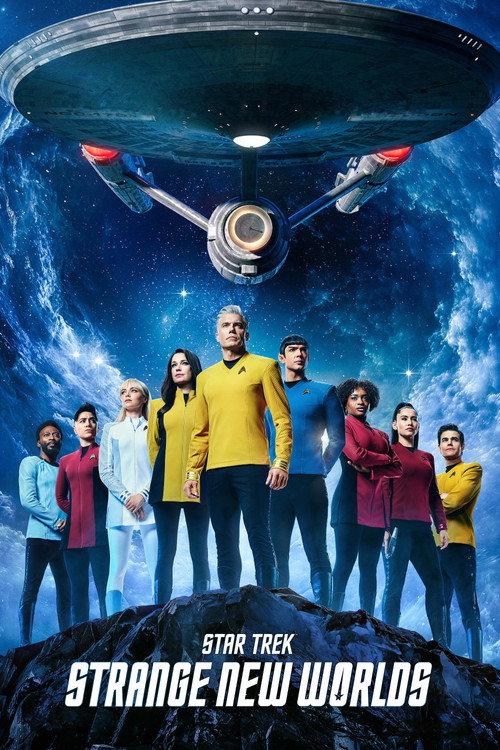 HD
HDStar Trek: Strange New Worlds
SS 4 EPS 10TV HD
HDStuart Fails to Save the Universe
SS 1 EPS 10TV HD
HDDark Matter
SS 2 EPS 5TV HD
HDSlow Horses
SS 6 EPS 2TVHDTed Lasso
SS 4 EPS 8TVHDMushoku Tensei: Jobless Reincarnation
SS 3 EPS 13TVHDLioness
SS 3 EPS 8TVHDLanterns
SS 1 EPS 6TV HD
HDOne Piece
SS 23 EPS 1179TV HD
HDWelcome to Demon School! Iruma-kun
SS 4 EPS 23TVHDReacher
SS 4 EPS 8TV HD
HDSouth Park
SS 29 EPS 1TV HD
HDThe Walking Dead: Dead City
SS 3 EPS 8TVHDAmerican Dad!
SS 22 EPS 13TVHDSilo
SS 3 EPS 10TVK-Drama
View more ›






Anime
View more ›



Help
All topics ›Full HD, 4K and what the HD badge means
Every MyFlixer title is a full HD release. Here is what that promises, how 720p, 1080p and 4K relate, and how to get the best picture on each screen.
The MyFlixer app for Android, iPhone and iPad: install it in two taps
MyFlixer installs to your home screen in two taps and runs full-screen with its own icon, your list, your episode marks and your country, on any phone or tablet.
MyFlixer to, ru, ro, tv, myflixerz and the official MyFlixer address
Every address the name has used, from myflixer.to and myflixer.ru to myflixerz and MyFlixer 2.0, what proxies and unblocked copies are, and the one official link to keep.
MyFlixer not working, down or not loading today: quick fixes
Is MyFlixer down? What to check when a page will not load, a search comes up empty, or a title will not play where you expected, and why the answer is usually quick.
Websites like MyFlixer: alternatives, and how MyFlixer compares
What to look for in any catalogue site, the names people put beside MyFlixer, and the free services worth knowing.
Is MyFlixer safe and legal?
What loads on a MyFlixer page, what it keeps for you, and how the watching works.
MyFlixer: movies and TV shows in full HD, one search away
MyFlixer is the site you open when you know what you want to watch, or when you know the feeling you want and not the name. Type a title, an actor or the nickname everyone uses and you are on its page in a second: the story, the year, the cast, every season with every dated episode, and a Watch now button already set to your country. Browse instead and the shelves are ready: Trending, the latest movies and episodes, Korean dramas, anime, Hindi films and web series, Pinoy movies, superheroes, and the genres. Save what you find to My List, mark the episode you reached, and MyFlixer remembers both the next time you open it, on the same phone or on the television.
Every card carries the white HD badge that the name has always promised. That badge means the title has a proper high-definition release, and the streaming services Watch now lists stream in HD and beyond. This page walks through how MyFlixer works, from the search box to the sofa, so that the first evening you spend with it is spent watching rather than looking.
Start with a search
The search box says "Enter keywords..." and it means it. It is built for the way people actually type, not for the way a database would like them to. A full title works. Half of one works. The original-language name works, so "Kimi no Na wa" opens Your Name and a romanised Korean title opens the drama you saw recommended in a comment thread. The nicknames work too: JJK opens Jujutsu Kaisen, HOTD opens House of the Dragon, TLOU opens The Last of Us, and Pathan opens Pathaan, because those are the names the audiences for those titles use among themselves and there is no reason a search box should be stricter than a friend.
Filler falls away on its own. Type "watch reacher online free in full hd" and you land on Reacher exactly as if you had typed the one word. Type "myflixer to reacher", "my flixer reacher" or "myflixer stranger things" and the same thing happens, because the site's own name in any of its spellings is ignored in front of a title. That matters more than it sounds: people arrive at MyFlixer from a search engine with a whole phrase still in their fingers, and the box takes the phrase.
An actor's name is a search too. Type a name from the top of a cast list and MyFlixer lists everything of theirs in the catalogue, films and series together, newest first, which is the fastest answer to "what else was she in". Directors and showrunners are matched the same way, so a name you know from the credits of one series leads you to the rest.
When you are already halfway through a show, add the season and episode to the name. "Squid Game season 2 episode 3" or "squid game s2e3" narrows the results to the series that has that episode with a recorded air date, so one tap opens the show and the season page is a tap further. From there, Reached this episode marks your place and Watch now opens the show where it plays. It is the shortest route back into something you left last week.
The search page itself carries a set of filters that stack: type, genre, year, status, country of production, original language, minimum rating and sort order. Set Korean, series, ongoing, rated eight or higher and sort by newest, and four clicks have made tonight's shortlist. The same filters sit on the Movies and TV Shows pages, so a search can start from a list rather than from a word, and Reset clears everything at once. Some combinations are empty by design, such as movies plus ongoing, since only a series can be ongoing, and the page says so rather than showing you an empty grid without explanation.
Browse when you do not know yet
Half of all viewing starts without a title in mind, and MyFlixer is arranged for that half as carefully as for the other. The home page opens on Featured, eight titles chosen for the week, then Trending with Movies and TV Shows tabs, then Latest Movies and Latest TV Shows in rows of eight, then the newest episodes across every series, and then the collections. Every row uses the same card, so you can decide from a row without opening anything.
Trending, Latest and Top IMDb answer three different questions, and it helps to know which is which. Trending is what people are watching now, across the whole catalogue, and it changes week to week. Latest is what arrived most recently, by release date, which is where a film that just reached a streaming service appears. Top IMDb is the fifty best-rated titles by audience score with enough votes to mean something, and it is the shelf to open when you want to be sure of an evening. Breaking Bad sits at the top of it, with Arcane and Rick and Morty and the best of the anime films close behind.
The collections are the shelves with a point of view. New in 2026 is everything with this year's date. Korean dramas and films, anime, Hindi, and Pinoy each gather a whole language. Superheroes gathers the comic-book films and series across every studio. Then the genres, action and adventure, horror and thriller, comedy, drama, sci-fi and fantasy, crime and mystery, romance, animation and family, each cut from the same catalogue from a different angle. Long-running gathers the series with the biggest episode counts, ongoing gathers the ones still coming back, top rated series is the television half of Top IMDb, and the 2010s and the 2000s gather by decade. Nineteen shelves in all on the collections page, and every one of them has its own filters.
Beyond the collections there is the genre index, the country index, the year index, the language index and the A to Z. Country is production country, so a Canadian series and an American one file separately even when both are in English. Year is the year of first release, so a series files under the year its first episode aired. The A to Z has a page per letter and a page for titles beginning with a number, and for a catalogue this size it is a perfectly good way to browse: pick a letter and read down.
Tonight in sixty seconds: three ways in
The fastest route is Trending. Open the home page, choose the Movies or TV Shows tab, and read the first row. Those eight cards are what people are watching this week, and the year, runtime and rating on each card are enough to pick one. Tap it, read the first sentence of the story, press Watch now, choose the service, and you are watching inside a minute. On a weeknight that is usually the whole decision.
The safest route is Top IMDb. It holds the fifty best-rated titles with enough votes behind them to trust, films and series together, and the top rated series collection holds the television half on its own. Nothing on that page is a gamble. Start at the top and stop at the first thing you have not seen; if you have seen the first ten, the eleventh is still very good.
The most personal route is a collection with two filters on it. Open Korean dramas, set the status to ended and the sort to rating, and you have every finished Korean story in the catalogue in order of how much people liked it. Open anime, set the type to movie, and the theatrical films line up. Open horror and thriller, set the year to the last three, and the recent scares are in one row. Every collection page carries the same filters as search, so the shelf you like becomes a shortlist in two clicks, and the Add to My List button on any title page puts the winner aside for later.
Planning an evening, a week, a season
The numbers on a card are there so you can plan before you tap. A film's runtime tells you what the evening costs: a hundred-minute comedy is a weeknight, a hundred-and-eighty-minute epic is a Saturday. A series card's SS and EPS tell you what the month costs, and the status line on its page tells you whether the story ends. Twelve episodes at an hour is a fortnight of evenings; a hundred episodes at twenty-two minutes is a season of your life in half-hour pieces, and both are fine as long as you knew which you were choosing.
The arithmetic is simple and worth doing. Multiply the episode count by the runtime on the title page and you have the hours. A sixteen-episode Korean drama at sixty-five minutes is a little over seventeen hours, which is two weeks of one episode a night or one long weekend. A twenty-two-episode network season at forty-three minutes is just under sixteen hours. A twelve-episode anime cour at twenty-four minutes is under five, which is why a cour is the easiest commitment on the site and why the anime collection is a good place to look when the week is busy.
For a series that is still returning, the rhythm is weekly and the Latest episodes page keeps it. Mark the episode you reached on Sunday night, open Latest episodes the following weekend, and the new one is at the top with its date. The ongoing collection gathers every returning series, so a Sunday visit to that one page tells you which of your shows has something new. Ended series have no rhythm to keep, which is their appeal: you set the pace, and Reached this episode holds it for you.
A season is also a good unit for My List. Save the series once, mark your place as you go, and when the season page's last row is marked you can decide whether the next season is a next-week thing or a next-year thing. The card's status line has already told you whether there is one.
Weekly or all at once: what the dates tell you
Every episode on MyFlixer carries its air date, and the dates tell you how a season was released before you start it. Read down a season page and look at the gaps. Dates seven days apart mean the season came out weekly, which is how network television and most anime arrive, and it means a returning season will arrive that way too. Ten or twelve rows sharing a single date mean the whole season dropped at once, which is how many streaming originals arrive, and it means you can watch it through without waiting.
The gaps also show you a season that was split. A run of weekly dates, then a pause of several months, then another run under the same season number is a season released in two halves, and it is common on the bigger streaming series. The season page makes that visible in a way a card cannot, so a glance at the dates tells you whether the half you are about to start is complete.
Specials sit in their own season on the page, with their own dates, so a holiday episode or a reunion never interrupts the run of a numbered season and never confuses the count on the card. A series that changed its release pattern between seasons, weekly for the first and all at once for the second, shows both patterns plainly, one season page after another.
For a series that is still returning, the most recent date on its latest season page is the most useful fact on the site: it tells you how long ago the last episode arrived and therefore roughly when to expect the next. Pair it with the status line and you know whether to mark your place and wait, or to move on to the next thing in My List.
Names, other names, and the right one
A title can go by several names, and MyFlixer knows all of them. The title page shows the name you searched for at the top and, in the facts beneath the story, the original title and any other names the title goes by: the Korean or Japanese title in its own script, the romanised version, an international release title, a nickname. Every one of those is searchable, so a film recommended to you under a name you have never seen written down still opens on the first try.
Two titles sharing a name is the one place to slow down. A film and its remake, an original and its adaptation, a series and the film it came from: all of these can share a name, and the year on the card is the tiebreaker. Search shows both, each with its year, and the story's first sentence settles any doubt. Watch now opens the list for the one you chose, and the year on that list matches the card.
Transliteration is the other place names wander. A Hindi or Korean title can be spelled several ways in Latin letters, and search is forgiving about it: Pathan and Pathaan open the same film, and a romanised Korean title with or without its hyphens opens the same drama. When the spelling you know fails, an actor's name from the cast list is the reliable fallback, because names are stable in a way transliterations are not.
Reading a card, reading a page
A MyFlixer card is small on purpose and tells you what you need before you tap. The poster carries the white HD badge in its corner and a type marker, Movie or TV. Beneath it sit the title and a line reading the year and, for a film, the runtime in minutes, so "2021 · 130m" tells you it is a two-hour-and-ten-minute film from 2021 before you have opened anything. A series card replaces the runtime with SS and EPS, seasons and episodes, and the rating sits beside them where the catalogue has enough votes for it to mean something.
Tap the card and the title page opens on the poster and the backdrop, the story, and a row of chips: the year, the runtime or the season count, the original language, the rating and the type. Beneath the story sit the facts: the original title and any other names the title goes by, the country of production, the original language, the status for a series, the studio, and the audience rating with the number of votes behind it. Then the seasons, for a series, each one a link. Then the cast and the creators, each name a search of its own. Then a row of titles you may also like, chosen from the same language and genre, which is where an evening's second choice usually comes from.
The story on a title page is the film's or series' own synopsis, and it is worth reading the first sentence and stopping. The first sentence gives the situation; the rest tends to give away more than you want. Where a title has a well-known nickname or an original title in another script, both are in the facts, and both are searchable.
The rating deserves a word. It is an audience score out of ten, and the vote count beside it tells you how much to trust it. A 7.9 from nineteen thousand votes is settled; a 7.9 from a hundred and twelve is a promising early signal that will move. Korean and Japanese titles often carry far smaller counts than American ones of the same standing, because of who fills in the database rather than because fewer people watched, so on those shelves read the count before the score.
TV shows, seasons and every episode
Television is where MyFlixer does the most work for you. The catalogue holds two hundred and fifteen series beside its two hundred and thirty-six films, and behind those series sit nine hundred and two seasons and fifteen thousand one hundred and eighty-five episodes, every one with its air date. A series page lists its seasons in order under the story. A season page is a clean table: episode number, title and date, oldest at the top, so a first-time viewer reads down and a returning one scans for the date they remember. Specials sit in their own season so they never interrupt a run.
The SS and EPS numbers on a card count what the season pages actually list, which is every episode that has aired. A show with a new season announced but not yet begun shows the seasons that exist, so the numbers are ones you can plan around. NCIS carries five hundred and seven episodes, Grey's Anatomy four hundred and sixty, American Dad! four hundred and one, Criminal Minds three hundred and sixty-four, South Park three hundred and thirty-two, and the long-running collection gathers the rest of that size. At the other end, a Korean drama tells its whole story in one season of twelve to sixteen episodes, and a television anime cour is twelve or thirteen, so a card reading one season and sixteen episodes is a complete story rather than a show that stopped.
Ninety-one of the series here are still returning, and the Latest episodes page is how you follow them. It lists the newest dated episodes across the whole catalogue, newest first, and the home page carries the freshest of them. A show you follow appears there the week its new episode airs, and the ongoing collection gathers every series that is still coming back, which is the page to open on a Sunday night.
The status line on a series page tells you which kind of commitment you are making. Returning means more is coming. Ended means the story is finished and you can watch it through. Cancelled means it stopped before it was finished, which is worth knowing before you start a first season that ends on a cliff.
The series people search for by name
Put "myflixer" next to a title in a search engine and the suggestions are a portrait of what the site's visitors actually watch, and every one of them is on the shelf. Heated Rivalry is the most searched series of the season, six episodes and a page that fills in as they air; Euphoria, Stranger Things, The Summer I Turned Pretty and Bridgerton are the ones people come back to season after season; The Boys, Invincible, Alien: Earth and Landman are this year's returning and new ones; and the comfort shelf is as searched as the new one, Friends, Modern Family, South Park, Rick and Morty, Smiling Friends, Grey's Anatomy and Game of Thrones.
The Korean and Japanese names are searched with the site's name too: Squid Game and this year's Study Group on the K-drama shelf, One Piece, Naruto, Demon Slayer and Jujutsu Kaisen on the anime shelf, each with every episode dated. The rest of the list is the Sunday-night shelf: Yellowstone and 1923, Outer Banks, Ginny & Georgia, Virgin River, Emily in Paris, You, Shōgun, Adolescence and The Rookie. Type any of them, or the shorthand, and the page opens with its seasons; press Reached this episode on the row you finished and the place is kept.
MyFlixer in the Philippines, India, the UK, Canada and Australia
"MyFlixer Philippines", "MyFlixer India", "MyFlixer UK", "MyFlixer Canada" and "MyFlixer Australia" are searched every month as if they were five sites, and they are all this one with the country chosen. The catalogue is the same everywhere; the Watch now list on each title page is what changes, because it shows the services carrying the title in the country you choose, and licences are sold country by country. From the Philippines the local services come first and carry Pinoy films from the week of release and K-dramas the day after they air. From India the Hindi shelf shows its free tiers within months and Hollywood often arrives with a Hindi track in the audio menu. From the United Kingdom, Canada and Australia the same series sit on different subscriptions, and the free tiers differ between all three.
Choose the country you are in, not the one the film was made in, and change it deliberately when you travel, then change it back. The setting is stored with My List and carried in the export file, so it moves with you between devices. The countries guide goes through each country in turn.
My List and your place in a series
Every title page carries an Add to My List button beside Watch now. Tap it and the title is in My List, no account needed, and it is there the next time you open MyFlixer on the same phone, tablet or computer. My List is a page of its own: your saved films and series as cards, and for each series the place you reached.
That place is the feature people come back for. On a season page, press Reached this episode on the row where you stopped. MyFlixer keeps the mark and shows it in My List with a link straight back to the row, so a series you paused in March opens where you left it in June, and Watch now on the series page carries you into the show at that point. Press Reached this episode again further down to move the mark forward. If you jump ahead and change your mind, press it on an earlier row and the mark moves back.
My List and the episode marks travel. The My List page has an export button that gives you a small file, and an import button that reads it, so a list built on your phone during the week moves to the tablet in a few seconds and opens on the television through its browser. Export before you change phones and nothing is lost. Both are stored in your browser rather than on a server, which is why there is no sign-in and why a private window starts fresh.
Choosing where to watch
The viewing country selector sits on every title page, and the free streaming guide explains the free-with-ads services in more detail; and it is the one setting worth making on your first visit. Choose your country once and MyFlixer remembers it. From then on every Watch now button shows the services that carry that title where you are, with each option labelled: free with ads, subscription, rent or buy, and the price where there is one. It starts on the United States until you change it.
Watch now opens that list for the title in a new tab, so MyFlixer stays where you were. Choose the service you already pay for, or the free one, and the title plays there in full HD, with the subtitles and dubs that service carries, on every device that service supports. Every service on that list is a licensed one, which is what keeps MyFlixer safe and legal to use wherever you are. If two titles share a name, the year on the card is the tiebreaker, and the list opens on the right one.
Because the list is per country, the same title can be free with ads in one place, on a subscription in another and rental only in a third, and a title that is on no service in your country yet shows its options the week one picks it up. Korean, Japanese, Hindi and Filipino titles move between services more than Hollywood ones do, which is why the country choice lives on the title page rather than buried in settings.
Free with ads is a real category and worth reading first. Tubi, Pluto TV, Crackle, Plex and the free tiers of several subscription services carry large catalogues at no charge, and when one of them has a title in your country it is in the Watch now list, marked as such. Save the free ones to My List and you have a queue for the week that costs nothing.
Korean dramas
Sixty Korean-language titles sit in the Korean collection, series and films together, and the shelf is arranged so that you can start anywhere. The series follow the shape Korean television is known for: a whole story in one season of twelve to sixteen episodes, each an hour or a little more, written to a planned ending. A card showing one season and sixteen episodes is a finished story you can complete in a fortnight of evenings, not a show that was cut short, and the season page reads straight down from the first episode to the last.
The exceptions are the ones everyone knows. Squid Game came back, and its seasons are listed in order with every episode dated, so the second season starts where the first one left you. Where a drama has a special or a spin-off, it sits in its own season on the same page. The rating on a Korean card usually carries a smaller vote count than an American one of the same standing, so read the count beside the score; several of the best-rated titles in the whole catalogue are here.
Search reaches the shelf by any name. The English title, the romanised Korean title and the Korean one all open the same page, and an actor's name lists every drama of theirs in the catalogue. Subtitles are part of the appeal, and Watch now takes you to the service carrying the drama in your country; most carry it subtitled, several carry it dubbed as well, and the audio menu in the service's player is where you choose.
Anime
Thirty-nine Japanese titles fill the anime collection, and it keeps series and films in one place because that is how people look for them. The television series are arranged in seasons on the season page, with every episode and its air date, and a cour of twelve or thirteen episodes is one season here. The long runs are listed in full. The films sit beside the series, and they include the theatrical releases that top the ratings across the whole catalogue; Demon Slayer's Infinity Castle is one of the best-rated titles on MyFlixer of any kind.
Names are the thing to know. Every anime here answers to its English title and its original one, so "Kimi no Na wa" and Your Name open the same film, and JJK opens Jujutsu Kaisen. If you know a title only by its romanised name, type that. If you know only the studio or the director, search the name and the films appear.
Subbed or dubbed is a choice the service makes for your country, and most anime here is available both ways. Press Watch now, open the service, and the audio menu lists the tracks; where a later season shows subtitles only, the dub is usually a season behind and follows. Episode tracking earns its keep on anime more than anywhere, because a hundred-episode series is a commitment, and Reached this episode is what turns it into an evening at a time.
Hindi movies and web series
The Hindi collection holds thirty-five titles: the recent theatrical releases and the streaming web series, together. The series are listed by season with every dated episode, so a show that dropped a season at a time reads exactly as it arrived, and the films carry their runtimes on the card so that a three-hour epic announces itself before you tap.
Search understands the spellings people use. Pathan opens Pathaan, a transliterated title opens the film even when the English release title is something else entirely, and an actor's name lists every film and series of theirs here. Dhurandhar, Pathaan and the web series that people talk about are all reached the same way.
Hollywood in Hindi is the other half of this shelf's usefulness. Many of the Hollywood films and series on MyFlixer carry a Hindi audio track in India, and often Tamil and Telugu too. Set India as your viewing country, press Watch now, open the service, and choose Hindi in the audio menu. The title page tells you the original language, and the service's player tells you which dubs it carries.
Pinoy movies
Seventeen Filipino films make up the Pinoy collection, and it is a shelf you can read end to end in a minute. Each is searchable by its Tagalog title and its English one, and the card carries the year and the runtime like every other. The Philippines has its own set of services, and several of these films are carried nowhere else, so set the Philippines as your viewing country and Watch now shows the right ones. The shelf grows as films reach a service, and New in 2026 is where the newest arrive first.
Full HD, 4K and the badge
The full HD guide goes deeper on resolutions and data use.
The white HD badge on every card is MyFlixer's standard, and it means two things. The title has a proper high-definition release, and the streaming services Watch now lists stream in HD and beyond, with the exact picture quality shown on each service. A film that opened in cinemas last week joins MyFlixer the day it reaches a streaming service, in the studio's own release.
720p and 1080p are both high definition; 1080p is the full HD frame and 720p the smaller one, and the difference shows on a television and disappears on a phone. Sharpness comes from the bitrate a service uses and the master the studio supplied, which is why a well-encoded stream can look better than a starved one at a higher resolution. Recent films, prestige series and the newer anime films were finished at or near 4K, and on a large screen that tier is worth choosing, often together with HDR, which widens the range of light and colour and is frequently the more visible upgrade. A procedural from 2005 was mastered in HD, so its 4K stream is an upscale; it looks clean, and the money is better spent on the newer title beside it.
On a phone, HD and 4K look the same and the data does not: roughly one to three gigabytes an hour for HD against six to eight for 4K. On a metered connection, choose HD, or download in the service's app over Wi-Fi before you leave the house.
Phone, tablet, television
MyFlixer installs to your phone, and the app page has the steps for each system. On Android, open it in Chrome and choose Add to Home screen from the menu, or accept the install prompt when it appears. On an iPhone or iPad, open it in Safari, tap share and choose Add to Home Screen. Either way MyFlixer opens full-screen with its own icon, and everything you saved is there: your list, your episode marks, your country. The layout is built for a phone first, with two posters across, the menu and the search behind the ☰ button, and the full set of filters laid out two to a row on the search page. Turn a phone sideways on a season page and the episode table widens. The app updates itself every time you open it, because it is the site.
On a television, covered step by step in the television guide, the simplest route is casting. Open the title on your phone, press Watch now, choose the service, and cast from that service's app; the picture goes to the screen and your phone becomes the remote with My List still open in your hand. Fire TV, Android TV, Google TV and most smart TVs also have a browser, and MyFlixer works in it, widening to eight posters across. Typing with a remote is slow, so build the list on your phone during the day and open My List on the television at night. Apple TV and Chromecast with Google TV carry the services as apps, and AirPlay from an iPhone works the way casting from Android does. PlayStation and Xbox run the services too: decide on MyFlixer, note the service, open its app on the console, and start at the episode you marked.
Keeping devices in step is the export button on My List. Export from the phone, import on the tablet, and the television picks up the same list through its browser.
Subtitles and dubs
Every title page states the original language up front, and every list can be filtered by it on the languages page, so you know whether you are opening a Korean drama, a Japanese anime, a Hindi film or a Filipino one before you press anything. The subtitle and dub tracks belong to the service you watch on, per country and often per season, which is why the title page tells you the language and the service's player tells you the tracks.
Press Watch now, open the service, and the subtitle menu in its player, usually a speech-bubble or a gear icon, lists every language it carries for your country. Most players let you resize subtitles and put them on a background, which helps on a bright screen. The audio menu beside it lists the dubs: anime is often available both subtitled and dubbed, Hollywood films frequently carry Hindi, Tamil and Telugu in India, and the tracks vary by service, so when the one you want is not on the first service, the second one in the Watch now list often has it. Dubs sometimes arrive a season behind the subtitles; that is a release schedule rather than a fault, and the dub follows.
MyFlixer to, ru, myflixerz and the official address
MyFlixer has been reached at many addresses over the years. Myflixer.to was the one most people knew; ru, tv, ro, win, ps, is, fi, gs, pw, io, net, cx, co and org followed, along with the z of myflixerz and the "2.0" people used for whichever address came next. Some of those now lead to parked pages, and some to look-alikes that share the film-reel logo and nothing else. The address in your bar is the official one and the one to keep. Bookmark it, or install MyFlixer to your home screen, and if you ever wonder whether MyFlixer is gone, whether there is a new MyFlixer or a MyFlixer 2.0, the answer is that it is here. The addresses guide lists every suffix the name has used, and you will always land on the real catalogue, your My List and your episode marks.
The look-alikes are easy to tell apart once you know what to look for. The navy header and the film-reel mark are simple to copy. The search that understands JJK and Kimi no Na wa, the season page with every episode dated, Reached this episode, and a Watch now that knows your country are not. Typing any of the old names into search works here: "myflixer to reacher" opens Reacher.
MyFlixer not working? When something will not play
If the home page opens, MyFlixer is up today and not down, and a link that fails is an old bookmark; search for the title and bookmark the new page. If search comes up empty, try the original title, an actor's name or the nickname. A film that opened in cinemas last week reaches MyFlixer when it reaches a service, usually within a few weeks, and appears in New in 2026 and on Latest movies the day it does.
If Watch now shows nothing for your country, check the selector on the title page; it starts on the United States until you change it, and it remembers your choice. A title that no service carries in your country yet shows its options the week one picks it up. If a service will not play a title tonight, that is the service's sign-in, plan, region or device, and the same title usually plays on another service in the Watch now list. If My List or an episode mark is missing, you are in a private window, a cleared browser or a new device; export My List before you switch phones and import it on the new one. The troubleshooting guide keeps the longer list, and the alternatives guide covers the websites like MyFlixer that people compare it with.
The genre shelves, and what each is good for
Every shelf named here is a page on the collections list.
The genre shelves are cut from the same four hundred and fifty-one titles, and each one has a shape worth knowing before you open it. Drama is the largest at two hundred and thirty-two, and it leans to television: a hundred and sixty-nine series against sixty-three films, which makes it the shelf for a long evening rather than a short one. Action and adventure is the second largest at a hundred and eighty-five, and it leans the other way, a hundred and eleven films to seventy-four series, with the Avengers films and Game of Thrones at the top by votes. Between them those two shelves hold most of what people open on a Friday.
Crime and mystery holds a hundred and forty-two and splits eighty-eight series to fifty-four films, which is the shelf where the procedurals and Stranger Things live beside Joker, Gone Girl and The Wolf of Wall Street. Sci-fi and fantasy holds a hundred and thirty-six, seventy-one films and sixty-five series, from Interstellar to the anime that files here as well as on its own shelf. Comedy holds a hundred and eighteen, fifty-five films and sixty-three series, so the shelf is as good for a sitcom as for The Wolf of Wall Street or Thor: Ragnarok.
Two shelves are films only, and that is a fact about how the source data tags television rather than about what is missing. Horror and thriller holds ninety, every one a film, with Joker, The Dark Knight Rises, Parasite and Gone Girl at the top; a tense series is filed under crime or drama instead, so if you want a thriller series, open crime and mystery and filter to series. Romance holds twenty-seven, all films, and two of the four most-voted are anime films, Your Name and A Silent Voice, which says something about where the best-loved romances in this catalogue come from. Animation and family holds thirty-eight, twenty-six films and twelve series, with Inside Out, Coco, Zootopia and Into the Spider-Verse at the top, and it is the shelf to open when the audience is mixed.
Superheroes crosses the studios: sixty titles, thirty-seven films and twenty-three series, from the Avengers run to Joker to the animated Spider-Verse, and it overlaps with action and with sci-fi and fantasy, which is fine, because a shelf is a way in rather than a box. The decade shelves are the odd ones out and useful for it: the 2010s holds eighty-eight, sixty-one of them films, and the 2000s holds twenty-five, every one a series, because the catalogue's films begin in earnest with the 2010s while Breaking Bad, Grey's Anatomy, The Vampire Diaries and Supernatural began the decade before. Two series reach back further still, Friends from 1994 and South Park from 1997, and both are still the longest evenings on the site.
The television shelves finish the set. Ongoing holds all ninety-six returning series, from Rick and Morty and Wednesday to The Last of Us, and it is the page to open on a Sunday. Top rated series holds sixty-two, Game of Thrones, Stranger Things and Breaking Bad at the top, and it is the television half of Top IMDb. Long-running holds thirty-five, The Walking Dead, The Flash, Grey's Anatomy and The Vampire Diaries among them, and it is the one shelf where the episode count on the card is the first thing to read. New in 2026 holds sixty-eight, fifty-six films and twelve series, and it moves every week as titles reach a service; Project Hail Mary and The Super Mario Galaxy Movie were at the top of it as this was written.
Questions
What is MyFlixer?
MyFlixer is where you find movies and TV shows in full HD and see where they play in your country. Every title has a page with its story, cast, seasons and dated episodes, a heart to save it to My List, and a Watch now button that opens the services carrying it where you live.
How do I find a title?
Type it the way you say it: the title, half of it, the original-language name, a nickname like JJK, or an actor. Add S2E3 after a series name to narrow the results to the series that has that episode. Or browse Trending, the collections, the genres, the years and the A to Z.
How do I keep my place in a series?
On the season page, press Reached this episode on the row where you stopped. MyFlixer shows that place in My List with a link back to the row, and the mark comes back every visit. Export My List to move it to another device.
What does the HD badge mean?
That the title exists in a proper high-definition release and that the services Watch now lists carry it that way. Every title on MyFlixer carries it, and there are no CAM copies.
Where does Watch now take me?
To the list of services carrying that title in your chosen country, each labelled free with ads, subscription, rent or buy, with the price. Pick one and the title plays there in full HD.
Is MyFlixer free?
Yes. Search, seasons and episodes, My List and episode marks cost nothing and need no account. Watch now also shows the services carrying a title free with ads, such as Tubi and Pluto TV, when they have it in your country.
Does MyFlixer have Korean dramas, anime, Hindi and Pinoy movies?
Yes, each with its own collection: sixty Korean titles, forty-two anime series and films, thirty-five Hindi films and web series, and seventeen Pinoy movies, all searchable by their original titles as well as the English ones.
Can I watch on my TV?
Yes. Open the title on your phone, press Watch now, choose the service and cast from its app. MyFlixer also works in the browser on Fire TV, Android TV and most smart TVs, and the services run as apps on Apple TV, PlayStation and Xbox.
Is there a MyFlixer app?
Yes. Open MyFlixer in Chrome on Android or Safari on iPhone and iPad and choose Add to Home Screen. It installs with its own icon, opens full-screen, keeps your list and episode marks, and updates itself every time you open it.
Can I download and watch offline?
Yes. Press Watch now, open the service and use its download button. Most services download films and whole seasons to a phone or tablet in full HD for offline viewing, with the subtitles and dubs you chose.
Which MyFlixer address is the real one?
The one in your bar. Bookmark it or install it to your home screen. The old addresses, myflixer.to, ru, tv and the rest, have moved or been copied, and typing any of them in front of a title in search still opens the title here.
A title will not play. What do I check?
The country selector on the title page first, then the service you opened, since sign-in, plan and region are its side. The same title usually plays on another service in the Watch now list.
Is MyFlixer available in the Philippines, India, the UK, Canada and Australia?
Yes. MyFlixer Philippines, MyFlixer India, MyFlixer UK, MyFlixer Canada and MyFlixer Australia are all this site with the country chosen. The catalogue is the same everywhere; choose your country once on any title page and Watch now lists the services that carry each title where you are, the free ones included.
